




Intel Core i5-10600K vs Intel Core i5-1155G7
Intel Core i5-10600K
► remove from comparison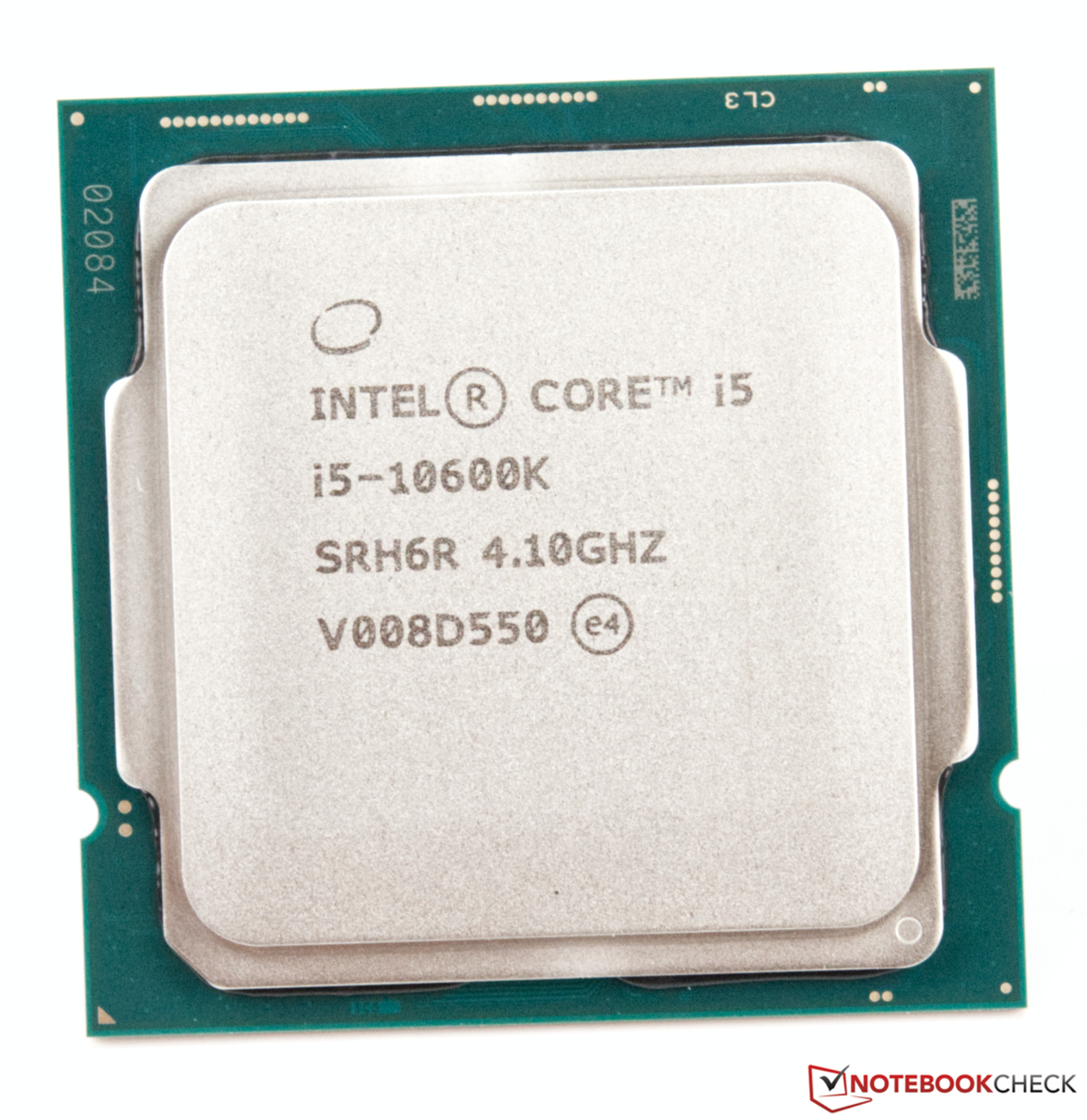
The Intel Core i5-10600K is a mid-range processor for desktops with six cores based on the Comet Lake architecture (CML-S, 4th generation of Skylake). The processor clocks at between 4.1 and 4.8 GHz and can execute up to twelfe threads simultaneously thanks to Hyper-Threading.
The processor is still manufactured in the old 14nm (14nm++) process. Thanks to the free multiplicator, the CPU can also be easily overclocked (but may not have much headroom).
The Comet Lake architecture is similar to Coffee Lake and offers the same features and is produced in the same 14nm process. Other than the improved clock rates, the memory controller now also supports faster DDR4-2933 RAM. More information on Comet Lake and all the models and articles on it can be found here.
Performance
Thanks to the high clock speeds (and possible TDP settings with most mainboards), the Core i5-10600K offers a similar speed than the old Core i7-9700K quad core. Compared to current AMD offerings, the multi-core performance is on par with a Ryzen 5 3600, single core and gaming performance with a faster Ryzen 9 3900.
Graphics
The integrated Intel UHD Graphics 630 iGPU is supposed to offer a similar performance as the UHD630 in the Core i7-9900K. As a low-end solution it will only run current games smoothly at reduced details - if at all.
Power Consumption
Intel specifies the TDP with 125 Watts (PL1) but under full load up to 250 Watt are consumed (PL2). In default mode these 250 Watt and therefore high clock speeds can be maintained for up to 56 seconds, however, all boards offer the option to alter these settings.
Intel Core i5-1155G7
► remove from comparison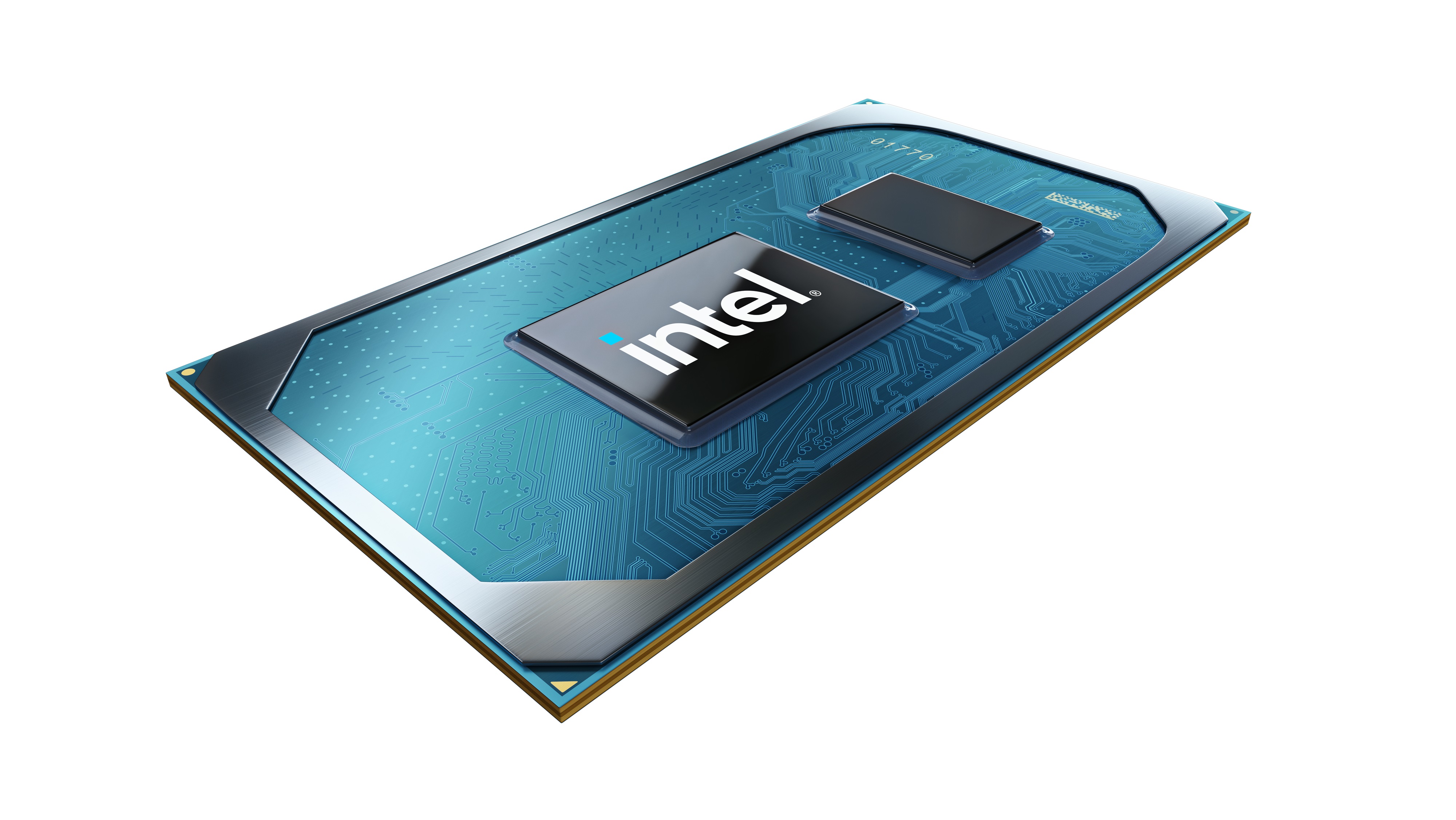
The Intel Core i5-1155G7 is a power efficient quad-core SoC for laptops and Ultrabooks based on the Tiger Lake-U generation that was announced in mid 2021 as part of the refresh. It integrates four Willow Cove processor cores (8 threads thanks to HyperThreading). The base clock speed depends on the TDP settings and ranges from 1 GHz (12 Watt TDP) up to 2.5 GHz (28 Watt). Boost clock speed is 4.5 GHz.
Tiger Lake SoCs add PCIe 4 support (4 lanes), AI hardware acceleration, and the partial integration of Thunderbolt 4 / USB 4 and Wifi 6 in the chip.
Another novelty is the integrated Xe graphics adapter with 80 EUs based on the completely new Gen 12 architecture. It offers a significantly higher performance compared to the older Iris Plus G7 (Ice Lake).
Performance
The average 1155G7 in our database proves to be a very decent mid-range processor, as of mid 2022, trading blows with the Core i7-10810U and the Ryzen 5 4500U as far as multi-thread benchmark scores are concerned. While perhaps not the best option for power users, this Core i5 will make most consumers happy, providing for short load times and generally pain-free experience.
Your mileage may vary depending on how high the CPU power limits are and how competent the cooling solution of your system is.
Power consumption
This Core i5 series chip has a default TDP, also known as the long-term power limit, of 12 W to 28 W, the expectation being that laptop makers will go for a higher value in exchange for higher performance. Either way, this is a tad too high to allow for passively cooled designs.
The i5-1155G7 is built with Intel's third-gen 10 nm process marketed as SuperFin for lower-than-average, as of early 2023, energy efficiency.
| Model | Intel Core i5-10600K | Intel Core i5-1155G7 | ||||||||||||||||||||||||||||||||||||||||||||||||||||||||
| Codename | Comet Lake | Tiger Lake-UP3 | ||||||||||||||||||||||||||||||||||||||||||||||||||||||||
| Series | Intel Comet Lake | Intel Tiger Lake | ||||||||||||||||||||||||||||||||||||||||||||||||||||||||
| Series: Tiger Lake Tiger Lake-UP3 |
|
| ||||||||||||||||||||||||||||||||||||||||||||||||||||||||
| Clock | 4100 - 4800 MHz | 2500 - 4500 MHz | ||||||||||||||||||||||||||||||||||||||||||||||||||||||||
| L1 Cache | 384 KB | 320 KB | ||||||||||||||||||||||||||||||||||||||||||||||||||||||||
| L2 Cache | 1.5 MB | 5 MB | ||||||||||||||||||||||||||||||||||||||||||||||||||||||||
| L3 Cache | 12 MB | 8 MB | ||||||||||||||||||||||||||||||||||||||||||||||||||||||||
| Cores / Threads | 6 / 12 | 4 / 8 | ||||||||||||||||||||||||||||||||||||||||||||||||||||||||
| TDP | 125 Watt | 28 Watt | ||||||||||||||||||||||||||||||||||||||||||||||||||||||||
| Technology | 14 nm | 10 nm | ||||||||||||||||||||||||||||||||||||||||||||||||||||||||
| max. Temp. | 100 °C | 100 °C | ||||||||||||||||||||||||||||||||||||||||||||||||||||||||
| Socket | LGA1200 | BGA1449 | ||||||||||||||||||||||||||||||||||||||||||||||||||||||||
| Features | DDR4-2666 RAM, PCIe 3, 8 GT/s bus, vPro, MMX, SSE, SSE2, SSE3, SSSE3, SSE4.1, SSE4.2, AVX, AVX2, BMI2, ABM, FMA, ADX, VMX, SMX, SMEP, SMAP, MPX, EIST, TM1, TM2, HT, Turbo, SST, AES-NI, RDRAND, RDSEED, SGX | DDR4-3200/LPDDR4x-4266 RAM, PCIe 4, 4 GT/s bus, DL Boost, GNA, MMX, SSE, SSE2, SSE3, SSSE3, SSE4.1, SSE4.2, AVX, AVX2, AVX-512, BMI2, ABM, FMA, ADX, VMX, SMEP, SMAP, EIST, TM1, TM2, HT, Turbo, SST, AES-NI, RDRAND, RDSEED, SHA | ||||||||||||||||||||||||||||||||||||||||||||||||||||||||
| iGPU | Intel UHD Graphics 630 (350 - 1200 MHz) | Intel Iris Xe Graphics G7 80EUs (400 - 1350 MHz) | ||||||||||||||||||||||||||||||||||||||||||||||||||||||||
| Architecture | x86 | x86 | ||||||||||||||||||||||||||||||||||||||||||||||||||||||||
| $262 U.S. | ||||||||||||||||||||||||||||||||||||||||||||||||||||||||||
| Announced | ||||||||||||||||||||||||||||||||||||||||||||||||||||||||||
| Manufacturer | ark.intel.com | ark.intel.com |

Benchmarks

Average Benchmarks Intel Core i5-10600K → 100% n=23
Average Benchmarks Intel Core i5-1155G7 → 84% n=23
 - Average benchmark values for this graphics card
* Smaller numbers mean a higher performance
1 This benchmark is not used for the average calculation


