




AMD Ryzen 7 6800HS vs AMD Ryzen 7 4800HS vs AMD Ryzen 7 4800H
AMD Ryzen 7 6800HS
► remove from comparison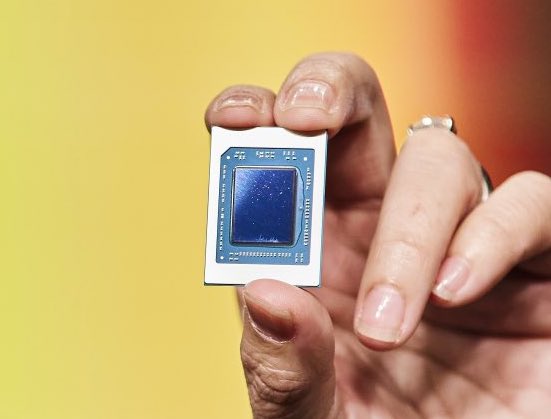
The AMD Ryzen 7 6800HS is a processor for big (gaming) laptops based of the Rembrandt generation. The R7 6800HS integrates all eight cores based on the Zen 3+ microarchitecture. They are clocked at 3.2 (guaranteed base clock) to 4.7 GHz (Turbo) and support SMT / Hyperthreading (16 threads). The chip is manufactured on the modern 6 nm TSMC process. The HS variant offers a 10 W reduced TDP and therefore a lower sustained performance than the H version.
The new Zen 3+ is a refresh of the Zen 3 architecture and should not offer a lot of changes. The chip itself however, offers a lot of new features, like support for USB 4 (40 Gbps), PCI-E Gen 4, DDR5-4800MT/s or LPDDR5-6400MT/s, WiFi 6E, Bluetooth LE 5.2, DisplayPort 2, and AV1 decode.
A big novelty is the integrated GPU Radeon 680M, that is now based on the RDNA2 architecture and offers 12 CUs at up to 2.2 GHz. It should be the fastest iGPU at the time of announcement.
Performance
The average 6800HS in our database is in the same league as the Ryzen 7 5800H and also the Core i7-11800H, as far as multi-thread benchmark scores are concerned.
Your mileage may vary depending on how competent the cooling solution of your laptop is and how high the CPU power limits are.
Power consumption
This Ryzen 7 has a default TDP of 35 W (also known as the long-term power limit). Which is definitely too high to allow for passively cooled designs.
The APU is built with TSMC's 6 nm process making for great, as of early 2023, energy efficiency.
AMD Ryzen 7 4800HS
► remove from comparison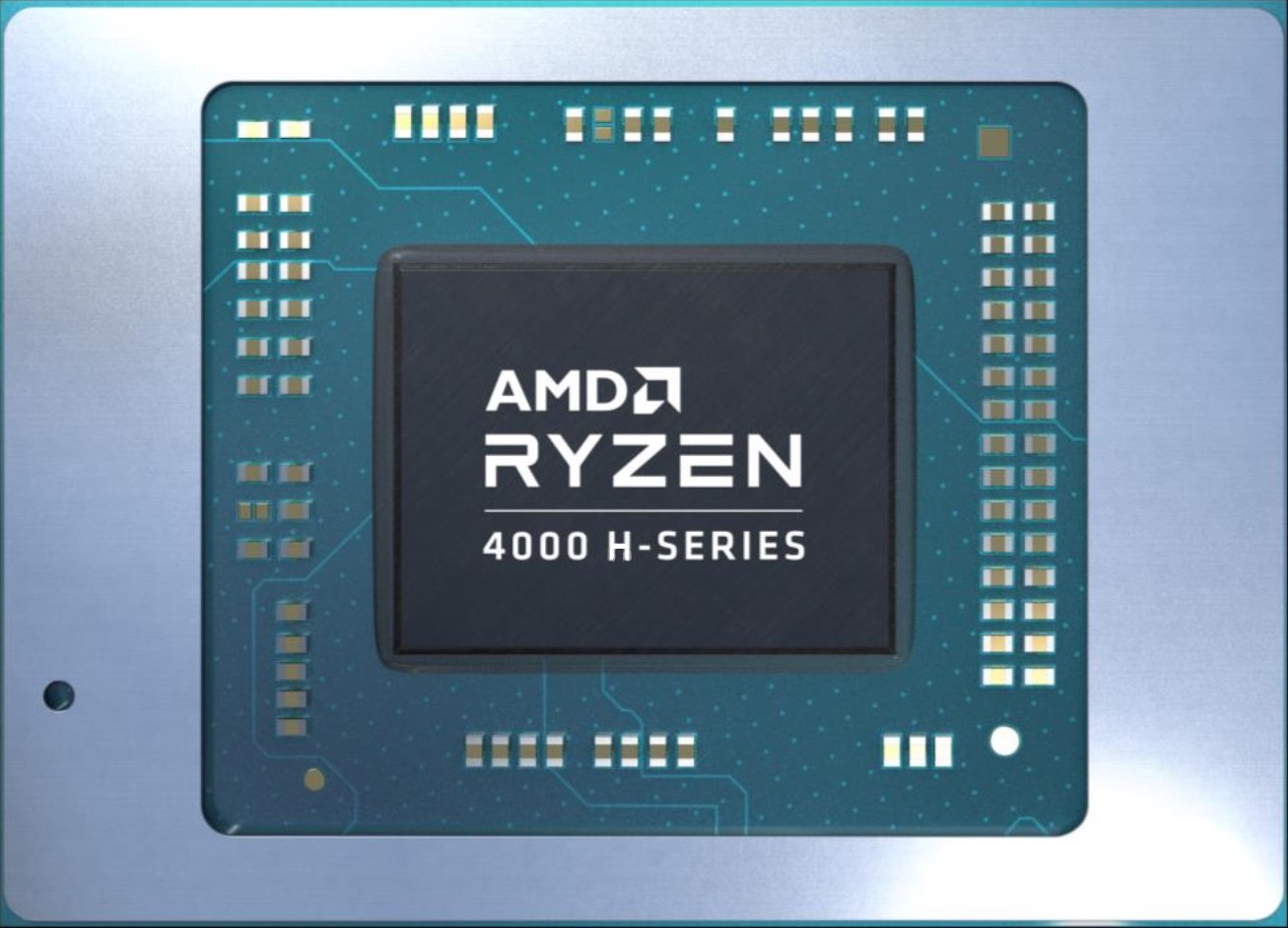
The AMD Ryzen 7 4800HS is a mobile SoC for big laptops based on the Renoir architecture. The 4800HS integrates all eight cores based on the Zen 2 microarchitecture. They are clocked at 2.9 (guaranteed base clock) to 4.2 GHz (Turbo) and support SMT for a total of 16 threads. The chip is manufactured on the modern 7 nm TSMC process and partly thanks to it AMD advertises a 2x improved performance per Watt for the Renoir chips. The 4800HS is the 35 Watt version (-10 Watt) of the Ryzen 7 4800H.
In addition to the eight CPU cores, the APU also integrates a Radeon RX Vega 7 integrated graphics adapter with 7 CUs at up to 1,600 MHz. The dual channel memory controller supports DDR4-3200 and energy efficient LPDDR4-4266 RAM. Furthermore, 8 MB of L3 cache can be found on the chip. See our hub page on the Renoir Processors for more information.
Performance
The average 4800HS in our database is an impressively fast CPU that isn't afraid of picking a fight with the Intel Core i9-10980HK and the Core i7-11850H, as far as multi-thread benchmark scores are concerned. The Ryzen is fast enough for nearly all apps and games you could possibly throw at it, as of mid 2022.
Your mileage may vary depending on how high the CPU power limits are and how competent the cooling solution of your system is.
Power consumption
This Ryzen 7 has a default TDP, also known as the long-term power limit, of 35 W. Which is too high to allow for passively cooled setups.
The AMD Ryzen 7 4800HS is built with TSMC's 7 nm process leading to average, as of mid 2023, energy efficiency.
AMD Ryzen 7 4800H
► remove from comparisonThe AMD Ryzen 7 4800H is a Renoir APU designed for larger, more powerful laptops with room for better termals. The Ryzen features eight Zen 2 cores running at 2.9 GHz (base clock speed) to 4.2 GHz (Boost). The CPU also has 8 MB of L3 cache and a Vega series integrated GPU. Thread-doubling SMT tech is enabled in this processor, allowing for up to 16 concurrent processing threads.
Architecture
Ryzen 7 4800H is manufactured on the modern 7 nm TSMC process and in part thanks to this fact AMD promises an up to 2x higher performance-per-watt figure compared to Ryzen 3000 series mobile APUs. This isn't the only noteworthy change however as Zen 2 architecture is leagues ahead of the outgoing Zen+ when it comes to single-core performance. Renoir family processors feature up to 8 CPU cores compared to 4 cores of the previous generation mobile AMD CPUs.
A 4800H will work with dual-channel DDR4-3200 or quad-channel LPDDR4-4266 RAM. The important difference between desktop Ryzen 4000 and mobile Ryzen 4000 processors is that the latter do not have PCI-Express 4.0 support, meaning those blazing-fast NVMe SSDs will be limited to a throughput of 3.9 GB/s.
The Ryzen 7 gets soldered straight to the motherboard (FP6 socket) and is thus not user-replaceable. Please go to our Renoir processor family hub for more information on these CPUs.
Performance
The average 4800H in our database is in the same league as the Core i7-11850H, the Core i7-1360P and also the Ryzen 7 PRO 6850U, as far as multi-thread benchmark scores are concerned. This highlights just how great of a job Renoir designers did, back in the day.
Thanks to its decent cooling solution and a long-term power limit of 45 W, the MSI Alpha 17 A4DEK is among the fastest laptops built around the 4800H that we know of. It can be more than 20% faster in CPU-bound workloads than the slowest system featuring the same chip in our database, as of August 2023.
Graphics
Ryzen 7 4800H features the Radeon RX Vega 7, a 7 CU integrated graphics adapter running at up to 1,600 MHz. The iGPU's underlying architecture is fairly old as of 2021, yet its 448 shaders will let you play many games of 2020 and 2021 as long as you stick to reasonable resolutions and presets. F1 2021 runs well at medium quality, 1080p resolution, to give you an example. A Vega 7 can be as fast as a GeForce GTX 1050 Max-Q, or as slow as an 80 EU Iris Xe; this depends on the benchmark as well as on cooling system performance and TDP settings of a laptop as mentioned above. As the iGPU has no VRAM of its own, it is paramount that fast system RAM is used.
The Vega definitely supports UHD 2160p monitors at 60 Hz. This iGPU is capable of hardware decoding AVC, HEVC and VP9-encoded videos. There is no AV1 support to be found here though. Such a video will have to be SW-decoded leading to much lower energy efficiency.
Power consumption
This Ryzen 7 series chip has a default TDP (also known as the long-term power limit) of 45 W. Laptop makers are allowed to change that to anything between 35 W and 54 W, with clock speeds and performance changing accordingly as a result. The Ryzen 7 4800HS is a 35 W edition of the Ryzen 7 4800H that trades away a bit of performance for lower power consumption. In both cases, an active cooling solution is a must.
Both the 4800H and the 4800HS are built with TSMC's 7 nm process for decent, as of late 2022, energy efficiency.
| Model | AMD Ryzen 7 6800HS | AMD Ryzen 7 4800HS | AMD Ryzen 7 4800H | ||||||||||||||||||||||||||||||||||||||||||||
| Codename | Rembrandt-HS (Zen 3+) | Renoir-HS (Zen 2) | Renoir-H (Zen 2) | ||||||||||||||||||||||||||||||||||||||||||||
| Series | AMD Rembrandt (Zen 3+) | AMD Renoir (Ryzen 4000 APU) | AMD Renoir (Ryzen 4000 APU) | ||||||||||||||||||||||||||||||||||||||||||||
| Series: Renoir (Ryzen 4000 APU) Renoir-H (Zen 2) |
|
|
| ||||||||||||||||||||||||||||||||||||||||||||
| Clock | 3200 - 4700 MHz | 2900 - 4200 MHz | 2900 - 4200 MHz | ||||||||||||||||||||||||||||||||||||||||||||
| L1 Cache | 512 KB | 512 KB | 512 KB | ||||||||||||||||||||||||||||||||||||||||||||
| L2 Cache | 4 MB | 4 MB | 4 MB | ||||||||||||||||||||||||||||||||||||||||||||
| L3 Cache | 16 MB | 8 MB | 8 MB | ||||||||||||||||||||||||||||||||||||||||||||
| Cores / Threads | 8 / 16 | 8 / 16 | 8 / 16 | ||||||||||||||||||||||||||||||||||||||||||||
| TDP | 35 Watt | 35 Watt | 45 Watt | ||||||||||||||||||||||||||||||||||||||||||||
| Technology | 6 nm | 7 nm | 7 nm | ||||||||||||||||||||||||||||||||||||||||||||
| max. Temp. | 95 °C | 105 °C | 105 °C | ||||||||||||||||||||||||||||||||||||||||||||
| Socket | FP7/FP7r2 | FP6 | FP6 | ||||||||||||||||||||||||||||||||||||||||||||
| Features | DDR5-4800/LPDDR5-6400 RAM (incl. ECC), PCIe 4, MMX, SSE, SSE2, SSE3, SSSE3, SSE4A, SSE4.1, SSE4.2, AVX, AVX2, BMI2, ABM, FMA, ADX, SMEP, SMAP, SMT, CPB, AES-NI, RDRAND, RDSEED, SHA, SME | DDR4-3200/LPDDR4-4266 RAM, PCIe 3, MMX, SSE, SSE2, SSE3, SSSE3, SSE4A, SSE4.1, SSE4.2, AVX, AVX2, BMI2, ABM, FMA, ADX, SMEP, SMAP, SMT, CPB, AES-NI, RDRAND, RDSEED, SHA, SME | DDR4-3200/LPDDR4-4266 RAM, PCIe 3, MMX, SSE, SSE2, SSE3, SSSE3, SSE4A, SSE4.1, SSE4.2, AVX, AVX2, BMI2, ABM, FMA, ADX, SMEP, SMAP, SMT, CPB, AES-NI, RDRAND, RDSEED, SHA, SME | ||||||||||||||||||||||||||||||||||||||||||||
| iGPU | AMD Radeon 680M ( - 2200 MHz) | AMD Radeon RX Vega 7 ( - 1600 MHz) | AMD Radeon RX Vega 7 ( - 1600 MHz) | ||||||||||||||||||||||||||||||||||||||||||||
| Architecture | x86 | x86 | x86 | ||||||||||||||||||||||||||||||||||||||||||||
| Announced | |||||||||||||||||||||||||||||||||||||||||||||||
| Manufacturer | www.amd.com | www.amd.com | www.amd.com |
Benchmarks

Average Benchmarks AMD Ryzen 7 6800HS → 100% n=35
Average Benchmarks AMD Ryzen 7 4800HS → 86% n=35
Average Benchmarks AMD Ryzen 7 4800H → 87% n=35
 - Average benchmark values for this graphics card
* Smaller numbers mean a higher performance
1 This benchmark is not used for the average calculation


